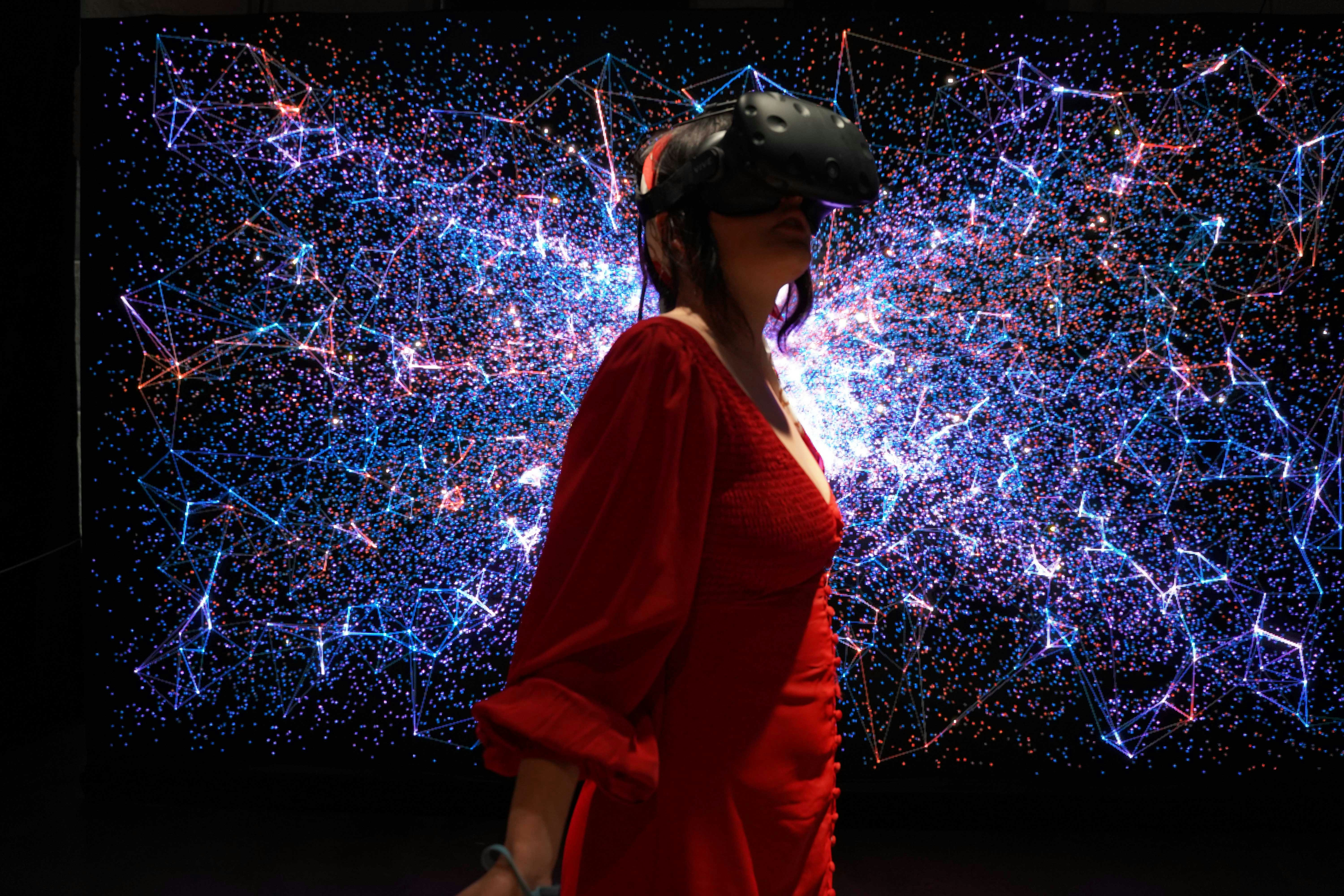
Virtual Reality Changing the Future of Architecture
2024-05-22 · Arkiste
Virtual Reality Changing the Future of Architecture
It’s time to step out of your head and bring your visions to life. At least virtually!
For many years, architects and designers had to envision spaces in their mind’s eye. You dreamed up spaces that meet client needs using your creativity. Architects have long taken raw pieces of land and built incredible structures using nothing more than an idea. And, keeping your fingers crossed, everything flowed as envisioned.
Imagine a scenario where your ideas become virtual environments. You can manipulate spaces with your hands and try out different layouts without having to worry about the budget.
Building diagrams and computer technology certainly enhance the overall design process. There is nothing quite as hands-on as virtual reality (VR). With VR, architects can still use their creative vision to formulate ideas and plan for how spaces should function, but with “more.”
You can “see” a person walking through the space. You can pick up and move things from one area to the next. Imagine being in a video game, designing the next skyscraper or luxury office space. This isn’t the future. It’s the now.
Virtual Reality Will Change How Architects Design
 Getty images
How can you apply virtual reality in a realistic manner to the way you operate?
Numerous opportunities exist to utilize virtual reality within the architectural industry. It creates a way to turn ideas into visualizations and experiences that designers and stakeholders can then collaborate on to improve. Consider some of the ways it is being used today and how you can apply this technology nearly immediately to your own design and build process.
Creating conceptual visualization and allowing for a walkthrough
You may already be using some aspects of design technology. For some time, 3D modelling has been a helpful tool to architects and designers, along with project owners. This helps to facilitate a better level of communication and understanding of how a space will look and function. 3D is good, but not as good as it gets.
It’s possible to see photos of what the end result will look like, allowing for a better level of understanding of layout and functionality. It definitely makes communicating with project owners easier.
Virtual reality goes further. It allows static renderings to become “live." That lets you walk through and experience the space in a more realistic manner. With a headset on, you are able to move through the actual space – it’s a video game like experience that’s actually worth spending your time on.
This allows architects to convey both their ideas and the options for various elements of a project in a meaningful manner. While 3D renderings do a good job, they still limit the true visualization of the space. VR, as well as augmented reality, take it further.
Let’s be real. Your current tools work. Why the switch?
Consider some examples of how this can be beneficial in realistic environments like those you are in today:
-
Creating virtual tours: For those selling units in a luxury complex, VR creates a way to showcase the design and layout long before it actually is developed. This allows a prospective client to walk through the space long before the foundation is set. Put a headset on, and they can see where they will live.
-
Collaborate on details: What the architect and designer envision for a space can be better understood when the client can visualize it in real life. VR allows for a more realistic answer to the question, “How much room will this create?” Or, "Is this really the best colour scheme?"
-
Identity deficiencies early on: It is critical to streamline projects by minimizing miscommunications and limiting “changes of direction.” With VR and AR working together, it’s possible to reduce the number of poor outcomes possible.
Conceptualization like this is more effective when it becomes more than 3D. It allows for problem-solving, better communication, and even idea inspiration that would otherwise be harder to grasp.
It makes your ideas real and helps project managers “get it!”
Enhancing project safety and planning success
 *Getty images *
No one wants anyone to get hurt on a job site. It happens, though. Any step you can take to minimize that risk is worth it.
It's also critical from a financial management standpoint. The reality is that you can't operate your business without reducing safety risks.
Though ample training and safety rules and regulations create the framework for making spaces safe, it is unknown. Unexpectedly, that can create dangerous outcomes for individuals. VR can help to minimize the risks of such situations.
What if you can train with more engagement? You remember learning the rules of safety and compliance training taught in a class. What you can do instead is to turn it into an actual, hands-on experience. There’s no better way to learn than in person, right?
Enter the world of simulation. When applied to a specific construction project, VR can help to create a very realistic environment that makes it clear what risks may be present that were otherwise not realized. In the VR world, the architect and designer can spot and then prevent serious disasters from occurring.
Consider several ways that VR can work to enhance project success and safety:
-
Incorporate stress tests: With the help of VR, designers can implement stress tests on a variety of designs and applications to detect true limitations or unseen risks. This provides an effective way to complete a structural analysis without having to invest in the physical building of a model.
-
Simulation of various events: Architects can also use VR to simulate what could occur in various situations based on numerous events and pressures from various forces. They can then make adjustments and test numerous strategies as necessary and beneficial. This allows for better optimization of design without risks.
-
Safety training: VR can also provide hands-on training to construction teams and managers. As projects become more complex and skillsets for well-trained professionals become fewer, it will be critical to have a method for training employees in a more hands-on manner.
VR can help minimize liability and risks across most aspects of a project. It can optimize design and provide better use of materials and employees for various aspects of the project. It’s also an excellent way to train without risk.
Real-time model changes become effortless
There’s nothing quite like closing a project, knowing it’s perfect. Until the project owner wants changes. And then they want them again. It’s part of the job, but…a frustrating part for sure.
Most architects have been in the position of having to reset a project due to changing scope, function, or new objectives. The investment of time and resources in making those changes is excessive and often can derail a project not just by a few days but by months.
With VR, it is possible to make real-time model changes during a client meeting. Imagine a conversation at a table with a group of clients using VR devices to discuss the various aspects of a project. When there is a requested change, the technology can implement that change nearly immediately.
It’s fast, and dare we say, harmless. It also shows them why your way may have been the better option.
VR allows you to provide better insight into options and perhaps offer a "better" or enhanced project outcome. Your client has a specific idea in mind. You know the implications of that decision are not in line with their expectations. With VR, you can show them why.
Supporting creativity and boundless exploration of options
One of the best aspects of being an architect is to be creative. From pyramids to skyscrapers, it’s a pretty creative industry. VR can take your creativity to the next level.
This tool can help to create ideas, support visions, and allow you to be tempted to push a bit further.
Think about your own design process. It allows you to try out new things, get an idea about using various materials together, and can even help you avoid the bad decisions that come from design errors. VR is all about giving you the ability to create and design without the risk.
That also allows you to envision and plan for developments with a newfound sense of excitement. Imagine being able to create a space that's conceptually different for each person within a multi-unit luxury space. Each space becomes an opportunity to use different materials, mesh design trends, and even incorporate cultural aspects into the environment. Then, before any money is invested in the actual design, it's possible to transform the space as needed to fit the requirements of the client.
The Bottom Line on VR in Architecture
 Getty images
Your job as an architect or designer is filled with opportunities to create. VR is one of the best new technologies out there for that. When used properly, it can offer a variety of benefits including:
-
Time savings on design (eliminating the risk of having to rework something because of client dissatisfaction).
-
Cost reduction thanks to fewer liability risks and better use of resources from the beginning (again, it’s far easier to make changes prior to the construction process getting underway).
-
Creating without limitation. Try out new materials, layouts, and technologies to find out what the best option is. Push the limit. Try something new. And do it all in a very safe environment.
VR (along with AR) is a tool that all architects and designers will likely begin to use in their day-to-day operations. More accessible than ever, it could provide you, the architect, with the ability to streamline and enhance project success.